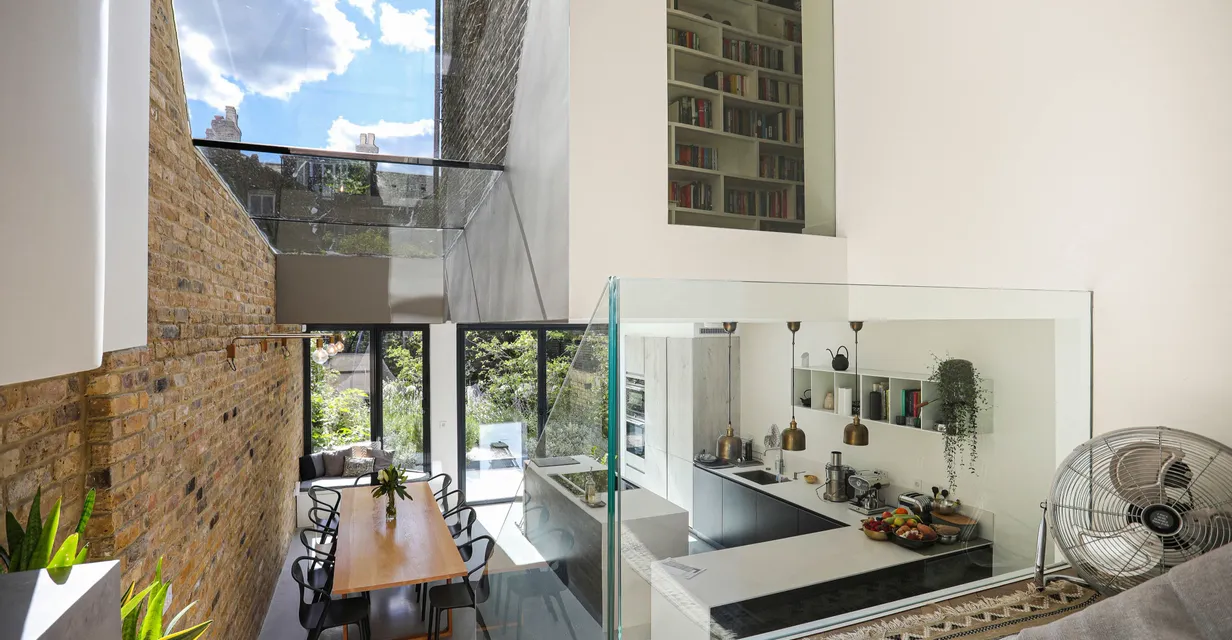
When considering a home extension, homeowners often find themselves balancing a mix of opportunity and challenge. While the prospect of adding an extension that increases value and functionality is exciting, the complexities of planning and execution can be overwhelming.
Drawing on years of experience in residential extensions, Scenario Architecture has developed this comprehensive guide to essential considerations, designed to navigate clients through the nuances of extension projects and how to optimise outcomes
Clarifying Objectives and Future Needs
The foundation of any successful extension project lies in clearly defining your objectives. Consider not only your immediate needs but also how your requirements might evolve over time. Are you seeking additional living space, a home office, or an expanded kitchen? How will this extension integrate with your existing home layout and impact your daily life?
Simultaneously, assess the feasibility of your ideas within the context of your property. Factors such as available land, existing structure, and local planning regulations will all play crucial roles in shaping your project’s potential.
Navigating Planning Permission and Regulations
One of the first challenges is understanding the planning regulations. In the UK, many extensions fall under permitted development rights, which allow certain projects without full planning permission. However, these rights have limitations based on property type, location, and the scale of the extension. Consulting with an architect or local planning authority is advisable to determine whether your project requires permission. Even if it qualifies for permitted development, submitting a lawful development certificate can provide peace of mind and prevent legal complications later on.
Designing with Purpose
The design phase is where vision begins to take tangible form. A well-conceived design should seamlessly integrate the new with the existing, respecting your home’s character while meeting functional needs. Key considerations include:
- Architectural harmony: Decide whether to match the existing aesthetic or introduce a contrasting modern element.
- Natural light optimisation: Strategically incorporate windows, skylights, or glass doors to enhance brightness in both new and existing spaces.
- Spatial flow: Ensure the extension integrates logically with your home’s current layout, enhancing overall functionality.
- Sustainability: Incorporate energy-efficient features and eco-friendly materials where possible, considering long-term environmental impact and potential cost savings.
Assembling the Right Team
The success of your project hinges on the professionals you hire. Take time to research and select an experienced architect who understands your vision and local regulations, a reputable builder with a track record of similar projects, and specialist contractors for areas like electrics and plumbing. Always request references and review previous work to ensure transparency regarding process, timeline, and costs.
Managing the Project Timeline
Effective project management is crucial for minimising disruption and ensuring timely completion. Factors affecting your timeline may include the planning approval process, material and labour availability, unforeseen structural issues, and weather conditions. Establish clear communication channels with your project team and schedule regular update meetings to stay informed and address issues promptly.
The Role of Estate Agents and Architects in the Extension Process
Both estate agents and architects can provide invaluable assistance throughout your extension journey. An experienced estate agent can offer insights into local market trends, helping you understand how different extension options might impact your property’s value. They can also advise on which types of extensions are most sought-after in your area, ensuring your investment aligns with potential buyer preferences if you plan to sell in the future.
Architects, on the other hand, bring technical expertise and creative vision to your project. They can help you navigate planning regulations, optimise your design for both aesthetics and functionality, and often have established relationships with reliable contractors. If you’re considering purchasing a property with the intention of extending, an architect can assess the feasibility of potential extensions before you commit, helping you make an informed decision.
By leveraging the expertise of both professionals, you can ensure your extension not only meets your immediate needs but also adds long-term value to your property.
Planning and executing a home extension is a significant undertaking that requires careful consideration of numerous factors.
By thoroughly assessing your needs, understanding regulatory requirements, focusing on thoughtful design, managing your budget effectively, and assembling a skilled team, you position yourself for a successful project. Remember that each extension is unique, and there’s no one-size-fits-all approach. However, by keeping these key considerations in mind and leveraging professional expertise, you can create a beautifully crafted extension that enhances your living space and adds enduring value to your home.