Working in property, we spend a lot of time talking about what makes a home feel right. Layout, light, flow, location, all the usual things that come up when you’re walking someone through a viewing or helping them picture their next move.
But something that’s easy to overlook is just how much of that feeling comes from what’s inside a home, not just the structure itself.
Recently, we’ve been learning more about the work of Furnishing Futures, and it’s an organisation that makes you think about what “moving in” actually looks like for a lot of people.
What happens after someone is rehoused
When women and children leave domestic abuse and are placed into social housing, the assumption is often that they’ve been given a fresh start.
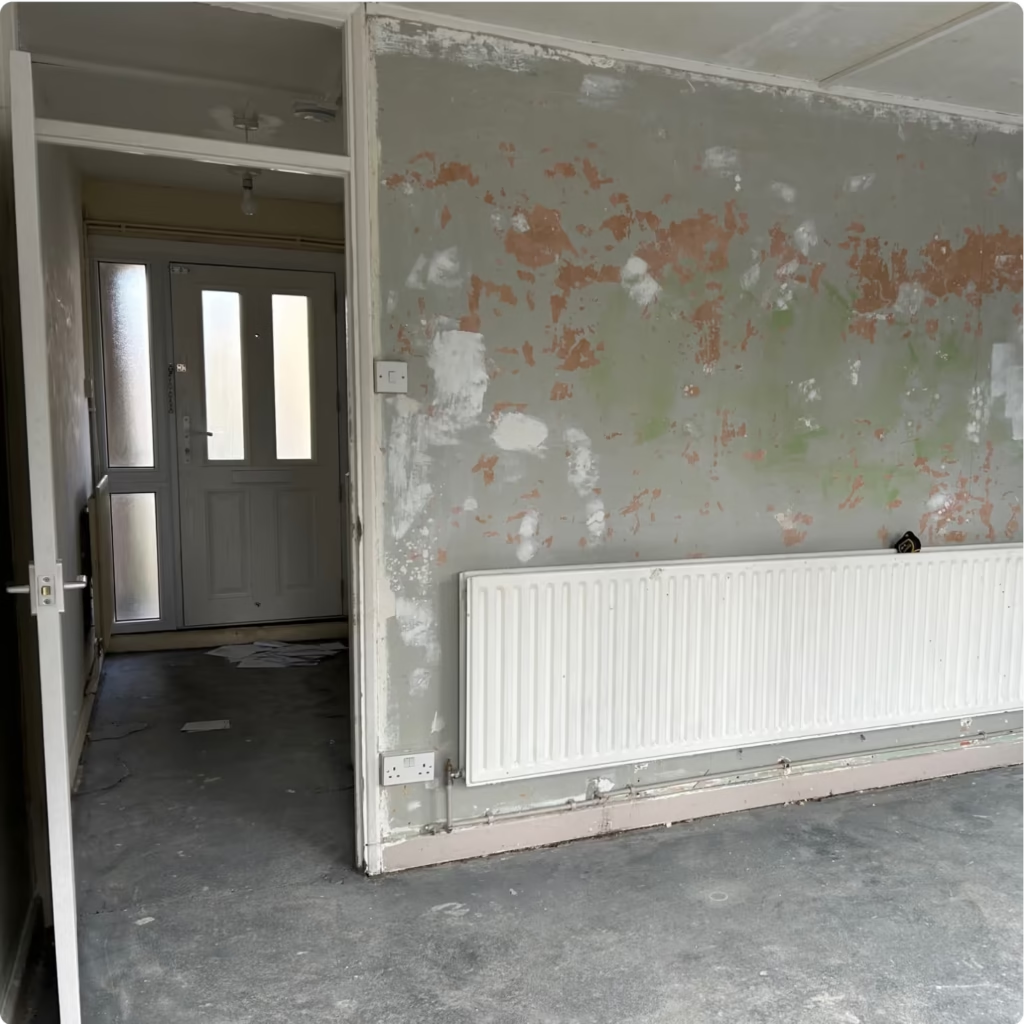
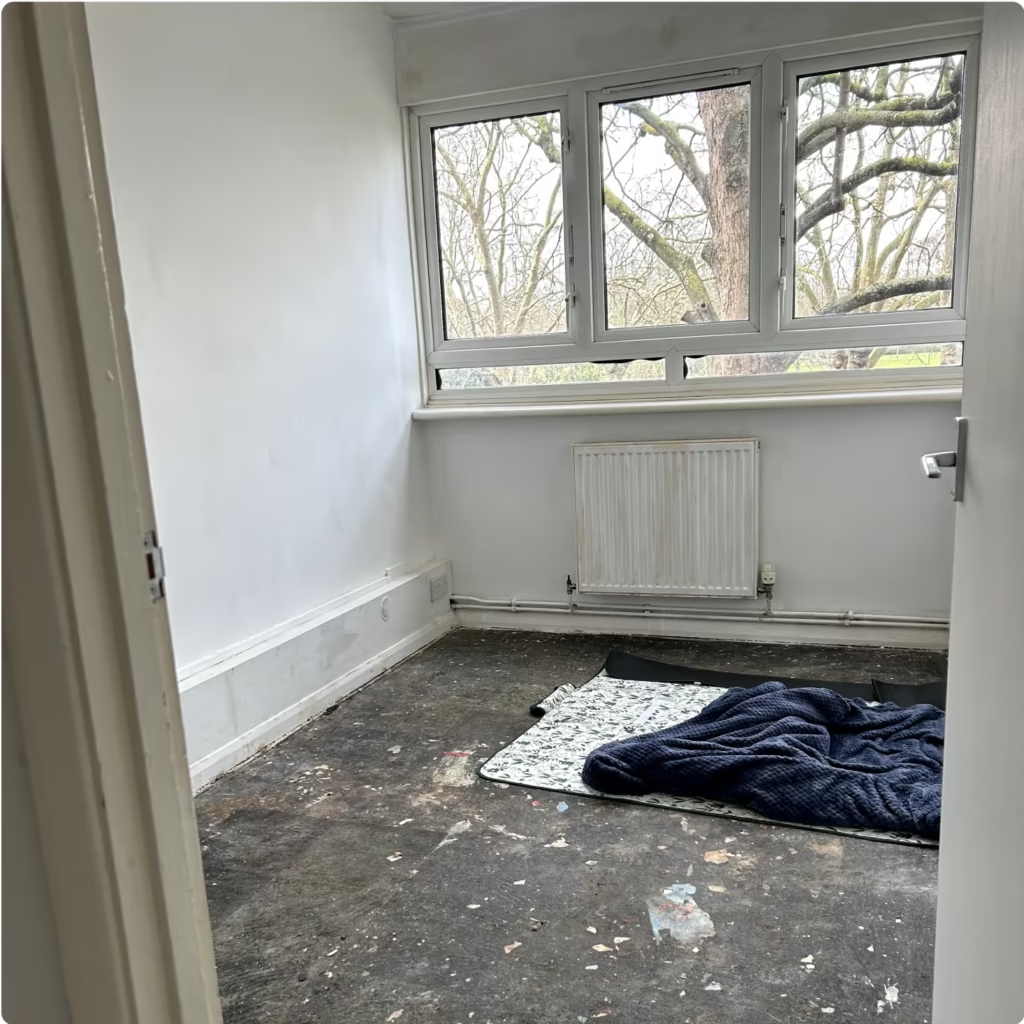
In reality, that “fresh start” is often an entirely empty property.
Not just unfurnished in the way most of us would think of it, but completely bare. No beds, no seating, no appliances, no curtains, and in some cases not even flooring, just exposed concrete or floorboards.
It’s not something that’s widely talked about, but it has a huge impact. Moving into a space like that, especially after a traumatic experience, doesn’t necessarily feel like safety or stability. It can feel temporary and overwhelming at a point where people most need the opposite.
The role furnishing futures plays
Furnishing Futures was set up by Emily Wheeler to address exactly that gap.
They work with local authorities and referral partners to support women and children who have been rehoused after domestic abuse, transforming empty properties into fully furnished homes that are ready to live in from day one.
What stood out to us is that this isn’t about simply filling a space with whatever is available. There’s a clear level of thought that goes into how each home is put together. Furniture, lighting, soft furnishings and layout are all considered, so that the end result feels calm, cohesive and genuinely liveable.
The items themselves are sourced from across the interiors industry, working with brands such as Soho Home, Anthropologie, DFS and Le Creuset, often using pieces that are surplus, end-of-line or ex-display, which would otherwise go unused. Instead of going to waste, they’re redirected into homes where they have a real impact.
It’s a practical solution, but it’s also about dignity. Having a proper bed, somewhere to sit, somewhere to eat, those things shape how a space feels and how quickly someone can begin to settle.
Why this work matters
We come across all kinds of homes in our day-to-day work, from completely refurbished houses to places that need reimagining, but this was a reminder that for some people, the starting point is much further back.
An empty property without flooring or basic furniture isn’t something most buyers or renters will ever experience, but it is the reality for many families rebuilding their lives.
Furnishing Futures is addressing that in a way that feels both practical and considered, creating homes that give people a genuine chance to move forward rather than just somewhere to land.
A small way to support
Alongside the homes they create, Furnishing Futures also runs a space in East London called The Atrium, where donated and surplus furniture is made available to the public at accessible prices.
It’s a simple idea, but an effective one. Items that might otherwise go unused are given a second life, and every purchase helps fund more homes for families starting again.