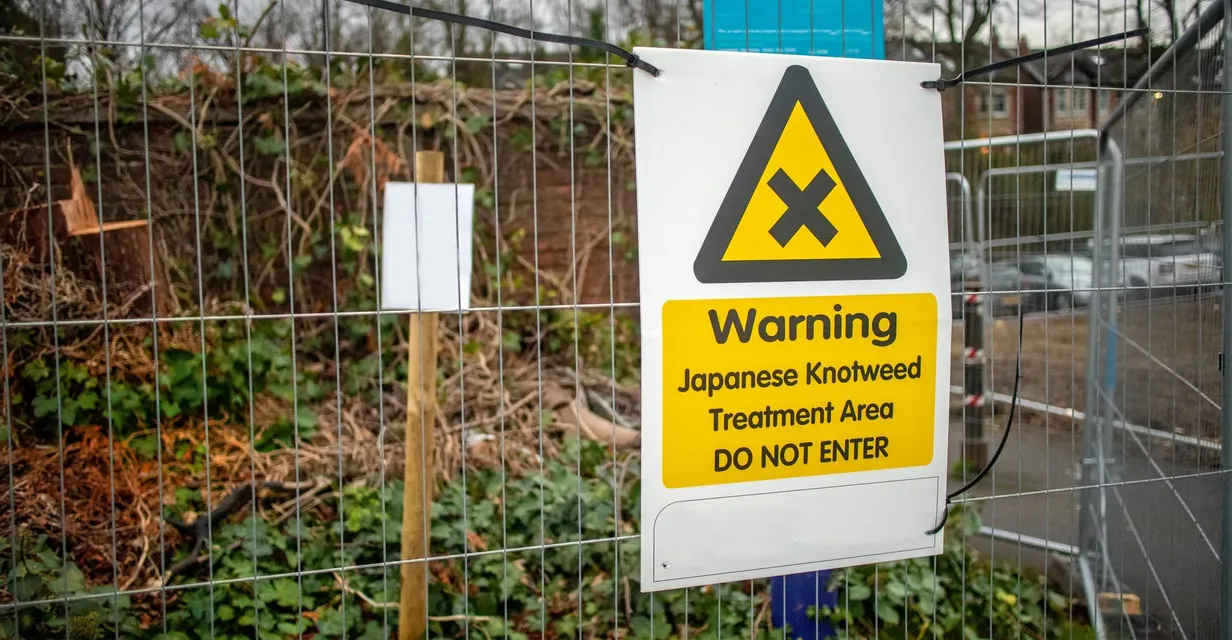
Japanese Knotweed hit the headlines recently after a London house-buyer successfully sued the vendor for failing to notify him of the invasive weed.
The bill was a hefty one – £32,000 in damages and £95,000 in legal fees. In a separate case, a council in South Wales was ordered to pay £4,900 to a resident because Japanese knotweed encroached from their land to his.
Hackney is no stranger to Japanese Knotweed – sightings have been reported in gardens in Stoke Newington, on the railway track at Clapton and at Hackney Downs and Woodberry Downs.
Originally brought here in the 1800s by Victorian plant hunters, it has quite an exotic appearance and its heart-shaped leaves and attractive flowers make it easy to identify.
Vicky Bibiris, a Partner at Location Location estate agency, said: “This plant is really quite beautiful but looks can be deceiving – it has the potential to do a lot of damage and cause real headaches when it comes to selling (and buying) a home.
“Japanese Knotweed can quickly take over its growing space – its roots can grow a metre deep and it finds its way through cracks in brickwork and pipework. It can damage the foundations of your home. Allowing this weed to spread from your land to other people’s property is against the law. Its presence is a real deterrent to would-be buyers and can be the reason banks refuse mortgage applications.”
Since 2013, sellers have been required by law to state whether Japanese Knotweed is on their property and, if it’s present, to provide a management plan from a professional company for its eradication.
Eradicating it can be a real headache – sometimes it can take up to four seasons to remove with a glyphosate-based weedkiller. It’s classed as ‘controlled waste’ and should be removed by specialist Japanese knotweed contractors and disposed of at licensed landfill sites. Or it can be left to dry on site before burning. It’s illegal to put it in council-run garden waste bins or home-compost.
In Spring, the tell-tale signs to look out for are the presence of fleshy reddish shoots growing on their own or among dead bamboo-like canes. New leaves, flowers and canes grow from these shoots. Spotting early signs of growth make it much easier to remove.
In August 2018, furniture designer Jonathan Downing bought a three-bedroom house in Raynes Park for £700,00. He later found Japanese Knotweed behind the garden shed and successfully sued Jeremy Henderson (who sold him the house) for misrepresenting whether there was knotweed on the forms attached to the sale. The total bill for the vendor (including legal fees and damages) was £127,000.
The Royal Horticultural Society has useful information about Japanese Knotweed on their website, click here to find out more.